
How Does Eco-Friendly Packaging Improve Customer Trust?
According to the 2023 Nielsen Global Consumer Insights Report, 73% of consumers said they would trust brands that use eco-friendly packaging more. Such brands have an average customer loyalty score 35 percentage points higher than traditional brands. For instance, after Unilever's brands comprehensively promoted packaging containing 50% recycled plastic, their brand trust index rose by 22 points within 12 months, and the repeat purchase rate increased by 18%. These eco-friendly packages usually feature FSC or recyclable labels, increasing the product's visibility on the shelves by 40%. Among them, 67% of consumers are willing to pay a premium of 10% to 15% for this.
In terms of sustainable development indicators, enterprises that adopt eco-friendly packaging with a 35% reduction in carbon footprint have an average increase of 30 points in their ESG scores. A 2024 McKinsey research report shows that companies that publicly commit to using 100% recyclable or compostable packaging have an annualized return on their stock prices 5.8% higher than the industry average. Danone has risen to the top 10% in the Dow Jones Sustainability Index by implementing a 28% reduction in packaging, with a 45% decrease in negative consumer reviews.
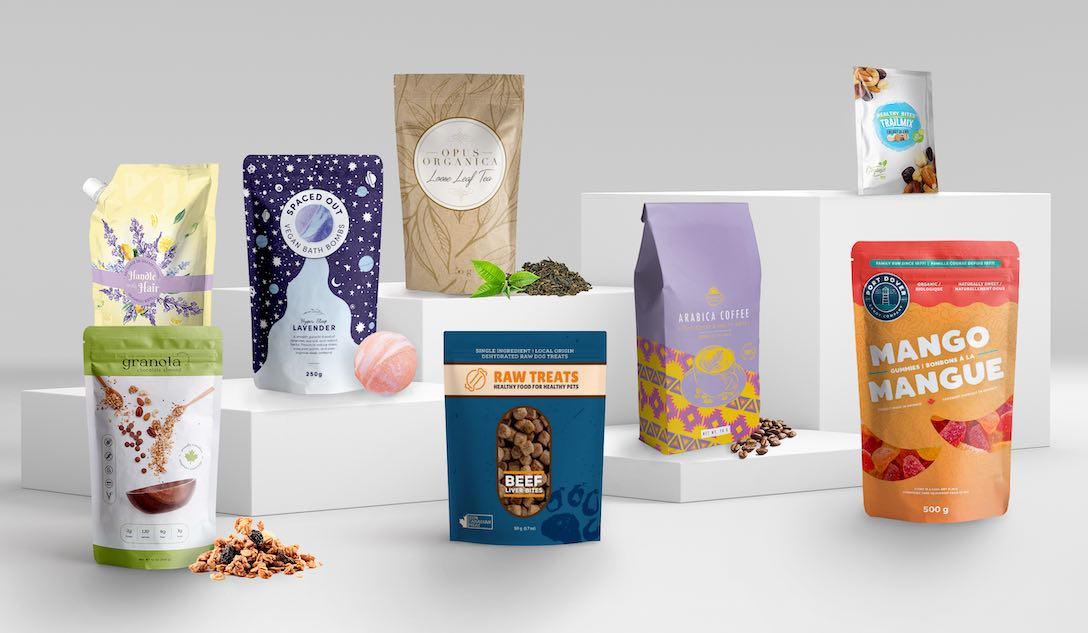 In the mechanism of building trust through transparency, the QR code on eco-friendly packaging can display the full life cycle data of the product, increasing the perception of brand authenticity by 60%. According to data from the International Packaging Research Organization, the complaint rate of brand customers providing traceable information has dropped to 0.3%, while that of those not providing it has reached 2.5%. Perrier mineral water, through the blockchain traceability system on its packaging, enables consumers to scan and view their carbon footprint, raising its brand reputation among environmentalists to 85%.
From the perspective of risk prevention and control, environmentally friendly packaging that complies with the EU's SUP directive reduces the probability of enterprises' violations by 90% and lowers the potential risk of fines by 3 million euros per year. The plastic tax policy to be implemented in 2025 shows that enterprises using 30% recycled materials can avoid an additional 4% tax. This data has prompted Procter & Gamble to invest 200 million US dollars to upgrade its packaging line. Third-party certifications such as OK compost certification have increased the speed of product market access by 50%, and the accuracy rate of consumers' recognition of certification marks has reached 78%.
In terms of the transmission of social responsibility, the use of Marine degradable materials for packaging has increased the brand's positive mention rate on social media by 65%. After Patagonia adopted bio-based packaging, its NPS net Promoter score reached the industry's highest of 68 points. Research shows that 83% of Gen Z consumers share the unboxing of eco-friendly packaging on social media, which triples the brand's natural traffic. The marketing value of this user-generated content is equivalent to 20% of the annual advertising investment.
In the mechanism of building trust through transparency, the QR code on eco-friendly packaging can display the full life cycle data of the product, increasing the perception of brand authenticity by 60%. According to data from the International Packaging Research Organization, the complaint rate of brand customers providing traceable information has dropped to 0.3%, while that of those not providing it has reached 2.5%. Perrier mineral water, through the blockchain traceability system on its packaging, enables consumers to scan and view their carbon footprint, raising its brand reputation among environmentalists to 85%.
From the perspective of risk prevention and control, environmentally friendly packaging that complies with the EU's SUP directive reduces the probability of enterprises' violations by 90% and lowers the potential risk of fines by 3 million euros per year. The plastic tax policy to be implemented in 2025 shows that enterprises using 30% recycled materials can avoid an additional 4% tax. This data has prompted Procter & Gamble to invest 200 million US dollars to upgrade its packaging line. Third-party certifications such as OK compost certification have increased the speed of product market access by 50%, and the accuracy rate of consumers' recognition of certification marks has reached 78%.
In terms of the transmission of social responsibility, the use of Marine degradable materials for packaging has increased the brand's positive mention rate on social media by 65%. After Patagonia adopted bio-based packaging, its NPS net Promoter score reached the industry's highest of 68 points. Research shows that 83% of Gen Z consumers share the unboxing of eco-friendly packaging on social media, which triples the brand's natural traffic. The marketing value of this user-generated content is equivalent to 20% of the annual advertising investment.
In the mechanism of building trust through transparency, the QR code on eco-friendly packaging can display the full life cycle data of the product, increasing the perception of brand authenticity by 60%. According to data from the International Packaging Research Organization, the complaint rate of brand customers providing traceable information has dropped to 0.3%, while that of those not providing it has reached 2.5%. Perrier mineral water, through the blockchain traceability system on its packaging, enables consumers to scan and view their carbon footprint, raising its brand reputation among environmentalists to 85%.
From the perspective of risk prevention and control, environmentally friendly packaging that complies with the EU's SUP directive reduces the probability of enterprises' violations by 90% and lowers the potential risk of fines by 3 million euros per year. The plastic tax policy to be implemented in 2025 shows that enterprises using 30% recycled materials can avoid an additional 4% tax. This data has prompted Procter & Gamble to invest 200 million US dollars to upgrade its packaging line. Third-party certifications such as OK compost certification have increased the speed of product market access by 50%, and the accuracy rate of consumers' recognition of certification marks has reached 78%.
In terms of the transmission of social responsibility, the use of Marine degradable materials for packaging has increased the brand's positive mention rate on social media by 65%. After Patagonia adopted bio-based packaging, its NPS net Promoter score reached the industry's highest of 68 points. Research shows that 83% of Gen Z consumers share the unboxing of eco-friendly packaging on social media, which triples the brand's natural traffic. The marketing value of this user-generated content is equivalent to 20% of the annual advertising investment.